
Different Type Of Hotel Slipper To Satisfy Different Range Of Hotels
Different Type Of Hotel Slippers
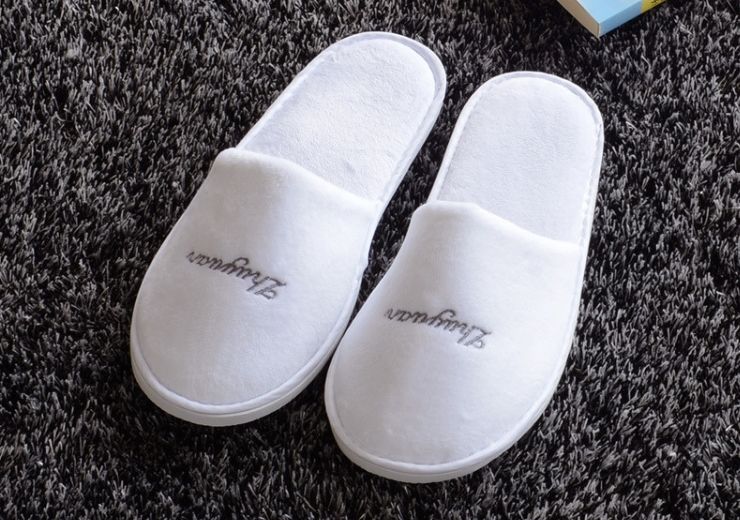
Velour Hotel Slippers
Velour hotel slippers designed for soft touch, guest comfort and everyday hospitality
room use.

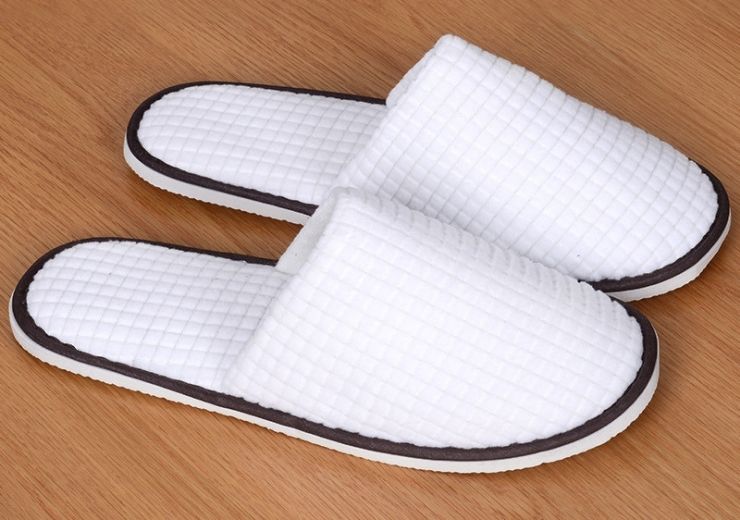
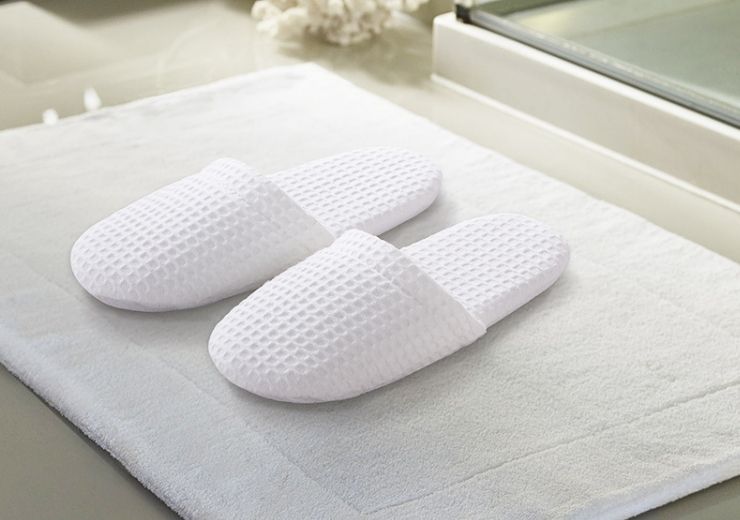
Waffle Hotel Slippers
Waffle hotel slippers suitable for hotels, resorts and spa hospitality environments with lightweight
comfort.

Brushed Hotel Slippers
Brushed fabric hotel slippers designed for comfortable hospitality guest room and
indoor use.

Cotton Linen Hotel Slippers
Cotton linen hotel slippers designed for breathable comfort and natural hospitality
presentation.

Plush Hotel Slippers
Soft plush hotel slippers designed for comfortable hospitality guest use and premium room
amenities.

Terry Hotel Slippers
Cotton terry hotel slippers suitable for hotels, spas and hospitality bathroom
applications.

Stripe Velour Hotel Slippers
Stripe velour hotel slippers designed for decorative hospitality guest room presentation and
comfort.
Polar Fleece Hotel Slippers
Polar fleece hotel slippers designed for soft comfort and warm hospitality indoor
use.
Ciabatta Hotel Slippers
Ciabatta style hotel slippers designed for lightweight hospitality guest room and spa
applications.
Sample:
Sample production time: 7 days.
Cost: free for samples, we can supply you samples by free to do lab test or wash test before officila order to make sure quality. For delivery cost of samples, you can provide me your express account.
Production Lead Time:
Normally we need 30 days in production for full set of bed linens ,bath linens for one hotel project, including bed sheet, duvet cover, pillow case, pillow protector, mattress protector, mattress topper, bed runner, cushion, bed skirting, towels, bathrobe, slippers.If something urgently, pls contact us first to discuss.
Hotel Slipper Collection
Commercial hotel slippers designed for hotels, resorts, spas and hospitality guest room projects.
Available in velour, waffle, terry, fleece and linen materials with different styles for various hospitality comfort and branding requirements.
1. What Is a Slipper?
Hotel slippers are lightweight indoor footwear designed to provide guests with comfort, hygiene, and convenience during their stay. They are commonly used before or after bathing and while moving around the guest room.
Hotel slippers can be produced using a wide variety of fabrics and sole materials, allowing hotels to choose different textures, softness levels, and absorption qualities depending on their positioning and guest expectations.
Some slippers are designed for single-use disposable applications, while others are washable and reusable. Different hospitality projects may select different solutions based on operational cost, housekeeping efficiency, sustainability goals, and guest experience standards.
Seasonality is also an important consideration. Hotels in colder regions often prefer thicker and warmer slipper materials during winter, while lightweight and breathable options are more suitable for warmer climates and summer seasons.
Well-designed hotel slippers also help create a more luxurious, welcoming, and premium guest experience that separates the hotel stay from an ordinary home environment.
2. Why Do Hotels Have Slippers?
Hotel slippers are provided to offer guests a clean, comfortable, and hygienic way to move around the room and bathroom areas.
Besides improving guest comfort, slippers also help protect guests from cold floors and contribute to a more relaxing hospitality experience. In many hotels, slippers are considered one of the essential room amenities because they enhance both guest satisfaction and the overall perception of service quality.
For upscale hotels and resorts, slippers also play an important role in reinforcing the hotel’s branding, comfort standards, and attention to detail.
3. How Do You Decide Which Type Of Slipper To Use?
Each hotel selects slippers based on several important factors, including budget, guest positioning, room standards, climate conditions, operational requirements, and desired guest experience.
Hotels usually aim to balance comfort, presentation, durability, and cost efficiency within their target budget range.
There are many fabric options, sole constructions, and slipper styles available in the hospitality market, and each option offers different levels of softness, breathability, appearance, and functionality.
Slippers can also reflect the hotel’s design style and brand identity. Luxury resorts, spa hotels, business hotels, and economy accommodations often choose different slipper styles depending on the image they want to present to guests.
4. What Are The Most Comfortable Slippers?
Microfiber and cotton-blend slippers are commonly considered among the most comfortable options in the hospitality industry because they provide softness, breathability, and a smooth touch feeling.
Terry cloth slippers made from Turkish cotton or Egyptian cotton are also highly popular in hotels because of their absorbent and comfortable texture.
Many premium slippers are designed with moisture-wicking materials, cushioned insoles, thicker padding, and memory foam layers to improve guest comfort during use.
For colder climates and luxury spa environments, woolen and hand-felted slippers with double-layer insoles are also widely appreciated because they provide additional warmth and softness.
5. What Are The Main Types Of Slippers?
In the hotel industry, there are generally two main types of slippers:
- Closed-toe slippers
- Open-toe slippers
Each style serves different operational needs, climate conditions, and guest preferences.
6. What Styles Of Slippers Are The Most Popular?
One of the most popular hotel slipper styles is the spa slipper, which is usually designed with an open-back construction and either an open-toe or rounded closed-toe shape.
Spa slippers are commonly produced using soft fleece, terry cloth, waffle fabric, or coral fleece materials to provide a breathable, absorbent, and comfortable guest experience.
Hotel slipper pricing can vary significantly depending on the fabric quality, sole construction, branding requirements, embroidery, and packaging standards.
Luxury hotels and wellness resorts often invest in higher-quality slippers because they contribute directly to guest comfort and the perceived value of the stay experience.
7. What Kind Of Fabric Material For Slippers?
There are many fabric materials used for hotel slipper production, including:
- Velvet
- Velour
- Non-woven fabric
- Terry cloth
- Brushed fabric
- Coral fleece
- Waffle fabric
- Cotton blends
- Microfiber fabrics
Different materials create different appearances, softness levels, absorbency, and price positioning.
Hotels usually select slipper fabrics based on guest comfort, room category, laundry requirements, branding style, and overall project budget.
8. Is The Natural Fabric Choice Important When Choosing Your Slippers?
Yes. Fabric selection plays an important role in both guest comfort and operational performance.
Hotel slippers are available in many different material options, including satin, terry cotton, polyester blends, waffle fabric, coral fleece, and microfiber materials. Each fabric provides different levels of softness, breathability, absorbency, durability, and presentation.
Open-toe slippers are generally preferred for warmer climates because they are lighter and more breathable, while closed-toe slippers are more suitable for colder environments and luxury hotel settings where additional warmth is desired.
In most hospitality applications, slippers are mainly intended to provide comfort, hygiene, warmth, and foot protection rather than heavy outdoor use.
9. What Fabrics Would You Prefer For Your Slippers?
For slipper soles, TPR (Thermoplastic Rubber) is one of the most commonly used materials because it provides flexibility, durability, anti-slip performance, and comfortable walking support.
Depending on hotel positioning and budget, slipper soles may also use EVA, rubber, foam, or blow-molded bottom constructions with different thickness levels.
For the upper fabric, terry cloth is one of the most preferred materials in the hospitality industry because of its softness and absorbency. Other commonly used materials include velvet, brushed plush, coral fleece, waffle fabric, and mesh fabric depending on the intended style and guest experience.
10. Which Material Slipper Is Best?
Coral fleece slippers are widely appreciated for their softness, warmth, and comfortable touch feeling, making them one of the most popular choices in hotels and resorts.
Velvet and velour materials are also considered premium-looking options because they create a more elegant and luxurious presentation.
However, the “best” slipper material ultimately depends on the hotel’s positioning, budget, guest expectations, climate conditions, and operational requirements.
For hospitality projects, the ideal choice is usually the one that balances comfort, appearance, durability, and cost efficiency.
11. What Are Non Slip Slippers?
Non-slip slippers are designed with anti-slip sole materials or textured bottom patterns that help reduce slipping risks on bathroom floors, tiles, or smooth surfaces.
In the hospitality industry, non-slip slippers are especially important for guest safety in hotels, resorts, spas, wellness centers, and wet bathroom environments.
12. What Type Of Sole Total?
Generally, hotel slippers can be divided into two main sole categories:
- Regular sole
- Non-slip sole
Within these categories, hotels may also choose different sole thicknesses, materials, densities, and construction methods depending on comfort requirements and project standards.
13. Is Thickness Of Sole Important?
Yes. Sole thickness directly affects the comfort, softness, insulation, durability, and overall guest experience of hotel slippers.
Thicker soles usually provide better cushioning and walking comfort, while thinner soles are more economical and lightweight.
Different sole thicknesses also influence product pricing, production cost, packaging volume, and transportation efficiency, which are all important considerations for hotel purchasing projects.
14. Is Slipper Construction Important?
Absolutely. Slipper construction is very important because it directly affects comfort, durability, flexibility, insulation, and guest satisfaction.
The sole construction should help protect guests from cold floors while remaining soft, lightweight, and comfortable during use.
The upper fabric that comes into contact with the foot should feel smooth and skin-friendly, while the strap construction should secure the foot comfortably without feeling too tight or unstable.
Hotels may also choose customized construction details such as embroidered logos, embossed branding, piping colors, stitching styles, and upgraded insole padding to create a more premium hospitality presentation.
15. What Size Is Hotel Slippers?
Regular hotel slipper sizes are commonly produced within the range of 28cm to 30cm, which is considered suitable for most adult guests.
Some hotels also prepare multiple slipper sizes, including larger sizes or children’s slippers, to better accommodate different guest requirements.
16. Can You Printing Or Embroidery Logo On The Slippers?
Yes. Hotel slippers can be customized with printed logos or embroidered logos depending on the design requirements and branding style.
Before production, suppliers usually prepare artwork drafts or digital mockups for approval to ensure the logo placement, color, and appearance meet the customer’s expectations.
Besides the slippers themselves, packaging bags such as OPP bags, fabric bags, or non-woven bags can also be customized with printed or embroidered branding elements.
17. How Do You Pack The Slipper?
Normally, after production is completed, hotel slippers are packed individually using automatic or semi-automatic packing systems.
The most common packaging method is individual OPP bag packing, which helps maintain cleanliness and hygiene during transportation and storage.
Depending on the project requirements, slippers can also be packed using fabric bags, non-woven bags, paper packaging, or eco-friendly customized packaging solutions.
18. Can You Do Slipper Bags To Pack?
Yes. Hotel slipper bags can be produced using fabric materials, non-woven materials, paper packaging, or eco-friendly alternatives.
Hotels may also customize the bags with logo printing, embroidery, brand colors, or other promotional elements to improve brand presentation and guest experience.
Customized slipper packaging is especially popular in luxury hotels, resorts, spas, and branded hospitality projects.
19. How Many Pairs Of Slippers Can You Produce Each Day?
Production capacity depends on the slipper style, material complexity, customization requirements, and factory arrangement.
Normally, large-scale slipper manufacturers can produce tens of thousands of pairs per month, allowing them to support hotel projects, wholesale orders, and bulk hospitality procurement requirements efficiently.
For customized projects involving embroidery, logo printing, or special packaging, lead time and production planning may vary depending on the order quantity and production schedule.
20. Can Hotel Slippers Be Washed?
Not all hotel slippers are washable. Disposable slippers are generally designed for single-use hospitality applications.
Washable slippers are usually produced using cotton, linen, terry cloth, or other reusable fabric materials suitable for repeated cleaning and disinfection procedures.
Hotels selecting reusable slippers should carefully consider laundry processes, drying conditions, hygiene standards, and operational costs before implementation.
21. Should You Venture Into The “Green” Slippers?
Sustainable and eco-friendly slippers are becoming increasingly important in the hospitality industry as more hotels focus on environmental responsibility and sustainable guest experiences.
Traditional TPU or plastic-based sole materials can now be partially replaced with biodegradable materials, natural rubber, eco-PU, cork, recycled PET fabrics, or other environmentally friendly alternatives.
Non-organic cotton fabrics may also be replaced with organic cotton, hemp fibers, bamboo fibers, or other sustainable materials.
Although eco-friendly slippers may have slightly higher costs, they help hotels strengthen sustainability initiatives, improve brand image, and align with growing environmental expectations from modern travelers.
For some hospitality projects, certified sustainable materials are also important for meeting ESG goals and green hotel standards.
22. How Should You Care For Your Slippers?
Disposable slippers should normally be discarded after use according to hotel hygiene procedures.
Reusable slippers should be cleaned, disinfected, dried thoroughly, and stored properly before reuse.
A professional cleaning process may include:
- Washing with detergent
- Disinfection using suitable sanitizing solutions
- Rinsing with clean water
- Thorough drying before storage
Proper drying is extremely important because moisture can lead to odor, bacteria growth, or reduced hygiene quality.
Hotels using reusable slippers should also establish clear housekeeping and disinfection procedures to ensure guest safety and hygiene standards.
23. Can You Put Slippers In A Dryer?
This depends on the slipper construction, fabric material, sole material, and manufacturing method.
In general, many hotel slippers are not recommended for high-temperature machine drying because excessive heat may damage the shape, sole bonding, or fabric structure.
For reusable slippers, air drying in a clean and ventilated environment is usually the safest and most recommended method.
After washing, slippers should always be dried completely before reuse to prevent odor, moisture retention, or hygiene issues for the next guest.