

100% Cotton Hotel Bathrobe Soft Touching & Good Absorption
Different Type Of Hotel Bathrobe

Cotton Terry Hotel Bathrobes
Cotton terry hotel bathrobes designed for soft touch, absorbency and comfortable hospitality guest
use.
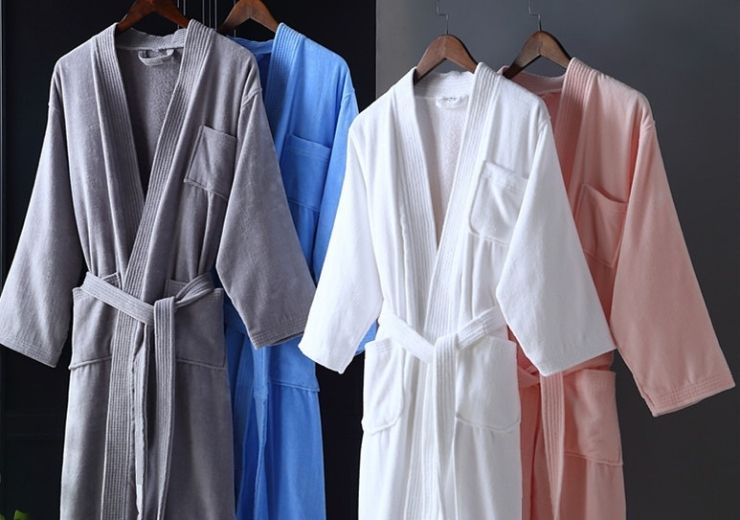
Cotton Velour Hotel Bathrobes
Velour hotel bathrobes designed for premium hospitality comfort and elegant guest room presentation.

Cotton Waffle Hotel Bathrobes
Lightweight waffle hotel bathrobes suitable for resorts, spas and warm climate hospitality environments.

Microfiber Hotel Bathrobes
Microfiber hotel bathrobes designed for lightweight comfort, softness and practical hospitality
use.

Waffle Velour Hotel Bathrobes
Waffle velour hotel bathrobes combining soft comfort and premium hospitality presentation for upscale guest rooms.
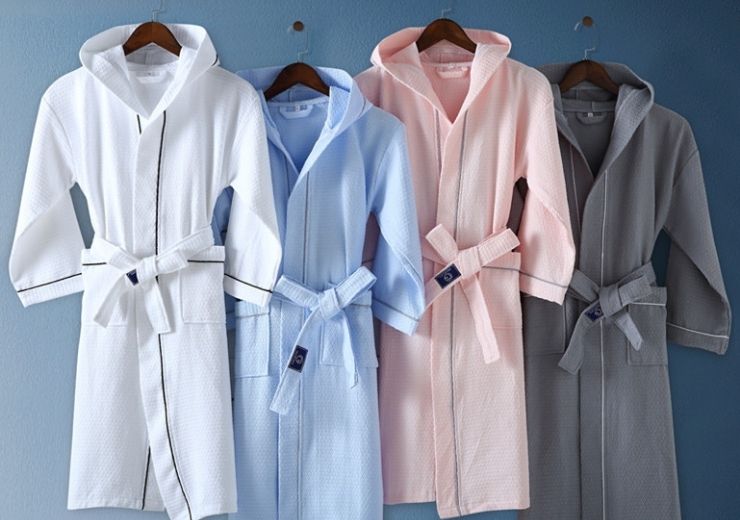
Hotel Kid Bathrobes
Kid-size hotel bathrobes designed for family resorts, hospitality guest rooms and children’s hospitality amenities.

Pre-wash
Due to all new hotel bath linen products ,including towels,bathrobe,bath rug has chemicals and lubricants on the surface bringing from manufacturing process which maybe harmful to skin and also will prevent the towel from absorting water.So it is important to do first wash to remove.Put half or three quarter towels into laundry facilities with full set of clean water to make towels fully washed to remove extra fiber that falling to towels from the air and chemicals&lubricants in production.
Routing Washing
- Use a neutral PH detergent
- Wash separately by different color
- Remove odours with baking soda
Drying
- Avoid leaving the dryer long time for high temperature
- Throw a few tennis balls into the dryerto make loops fluffy
- Don’t get out towel so early to let them fully drying
Warranty Period:
One Year/If it is not caused by artificial damage, washing damage or natural aging of the product, we will replace it without charge.
Sample:
Sample production time: 7 days.
Cost: free for samples, we can supply you samples by free to do lab test or wash test before officila order to make sure quality. For delivery cost of samples, you can provide me your express account.
Production Lead Time:
Normally we need 30 days in production for full set of bed linens ,bath linens for one hotel project, including bed sheet, duvet cover, pillow case, pillow protector, mattress protector, mattress topper, bed runner, cushion, bed skirting, towels, bathrobe, slippers.If something urgently, pls contact us first to discuss.
Hotel Bathrobe Collection
Commercial hotel bathrobes designed for hotels, resorts, spas and hospitality guest room projects.
Available in terry, velour, waffle and microfiber materials with different styles and comfort levels for various hospitality applications.
1. What Is A Bathrobe?
A bathrobe is more than just a piece of hotel linen. For many guests, it is one of those small details that immediately changes how the room feels.
After a shower, stepping into a soft and comfortable robe creates a very different experience compared with simply using a towel. That is why bathrobes are widely used in luxury hotels, resorts, spas, wellness centers, and serviced apartments where guest comfort is part of the overall hospitality experience.
Hotel bathrobes are designed to be comfortable, practical, and suitable for repeated commercial washing. Different hotels choose different fabrics, weights, and styles depending on their climate, room positioning, guest expectations, and laundry requirements.
Some hotels prefer lightweight waffle bathrobes for tropical climates and spa environments, while others choose thicker terry cotton robes to create a warmer and more luxurious feeling.
In hospitality projects, bathrobes are not only about comfort. They also help hotels create a more premium image and improve the overall guest experience.
2. Are There Different Types Of Bathrobes?
Yes, hotel bathrobes come in many different fabrics, textures, weights, and styles.
The most common hotel bathrobe fabrics include cotton terry, waffle fabric, velour, microfiber, fleece, and polyester-based fabrics. Each material creates a different feeling when guests wear it.
Terry cotton bathrobes are soft, absorbent, and commonly used in luxury hotels because they feel similar to high-quality hotel towels. Waffle bathrobes are lighter and more breathable, making them especially popular in spas and warm-weather resorts. Velour robes are smoother and more elegant in appearance, often used in suites and premium hospitality projects.
From a styling perspective, the two most common hotel bathrobe styles are shawl collar robes and kimono robes.
Shawl collar bathrobes look warmer and more luxurious, while kimono styles feel lighter and more relaxed. Many resorts and wellness hotels prefer kimono robes because they suit spa environments very well.
Different hotels choose different bathrobes depending on the guest experience they want to create.
3. How Does A Hotel Decide Which Type Of Bathrobe To Use?
Hotels usually don’t select bathrobes based only on appearance.
A robe may feel soft and luxurious when it is brand new, but hospitality products also need to survive repeated industrial washing, daily guest use, and long-term housekeeping operations.
That is why experienced hotel buyers normally evaluate several things before selecting a bathrobe supplier.
First is guest comfort. Guests immediately notice whether the robe feels soft, breathable, heavy, light, or rough against the skin.
Second is climate. Resorts in tropical regions usually prefer lightweight waffle or microfiber bathrobes because they dry faster and feel cooler. Hotels in colder climates often choose thicker terry cotton robes to create a warmer and more comfortable feeling.
Third is laundry performance. Hotels pay close attention to shrinkage, drying time, fabric durability, stitching quality, and how the robe looks after repeated commercial washing.
Budget is also important, especially for large hospitality projects where hundreds or thousands of robes may be required.
For most hotels, the right bathrobe is usually a balance between comfort, durability, laundry efficiency, and overall guest experience.
4. Do Hotels Offer Guests Options For Their Preferred Bathrobe?
Higher-end hotels often do.
Luxury hotels and resorts understand that guests have different preferences. Some guests prefer lightweight and breathable robes, while others prefer thicker and warmer robes with a more luxurious feeling.
That is why many upscale hospitality projects prepare several bathrobe options, especially for suites, spa guests, or VIP rooms.
Some hotels offer:
- waffle bathrobes for warm climates
- terry cotton robes for stronger absorbency
- lightweight spa robes
- oversized robes for extra comfort
- hypoallergenic robes for sensitive guests
This kind of attention to detail helps create a more personalized guest experience and often leaves a stronger impression than people expect.
5. How Do I Choose A Bathrobe?
Choosing a bathrobe is usually not only about softness.
For hotels, the decision also depends on climate, laundry performance, operational cost, and the type of experience they want guests to remember.
In warmer climates, lightweight waffle bathrobes are often preferred because they are breathable and dry quickly after washing. In colder regions, thicker terry cotton robes usually create a warmer and more luxurious feeling.
Absorbency is another important factor. Guests often expect the robe to feel dry and comfortable immediately after showering, which is why cotton terry remains one of the most popular hotel bathrobe fabrics.
Size selection is also important. Hotels usually prepare several robe sizes because guest body types vary greatly between regions and countries.
Professional hotel buyers also pay attention to things like:
- shrinkage after washing
- drying efficiency
- stitching durability
- embroidery quality
- fabric lifespan
- replacement frequency
because hospitality bathrobes go through far more washing cycles than home-use products.
6. Is Bathrobe And Housecoat The Same?
Not exactly.
A housecoat is usually designed for casual home use, while a bathrobe is specifically made for comfort after bathing or showering.
Hotel bathrobes are generally more absorbent, more structured, and designed to create a cleaner and more luxurious hospitality feeling.
That is also why most hotels prefer white bathrobes. White immediately gives guests a stronger impression of cleanliness, freshness, and hygiene.
In hospitality environments, presentation matters as much as functionality.
7. Why Do Hotels Have White Bathrobes?
White bathrobes have become the standard choice in many hotels because they create a cleaner, fresher, and more luxurious appearance.
Guests often associate white hospitality linens with hygiene and professionalism. Even before touching the robe, the visual impression already affects how guests feel about the room.
From an operational perspective, white bathrobes are also easier to manage. Hotels can bleach them when necessary, reduce color-matching problems during laundry sorting, and maintain a more consistent room presentation across the property.
That is why white bathrobes continue to dominate luxury hotels, resorts, spas, and wellness projects around the world.
8. What Styles Of Bathrobes Are The Most Popular?
Different hotels prefer different bathrobe styles depending on the atmosphere they want to create.
Some hotels prefer long, thick shawl collar bathrobes because they feel more luxurious and suitable for colder environments. Others choose lightweight kimono styles because they feel more relaxed and breathable.
Popular bathrobe features include:
- shawl collar styles
- kimono styles
- hooded bathrobes
- full-length robes
- knee-length robes
- pocket designs
- embroidered logos
Luxury hotels often focus heavily on details because small design differences can greatly affect how premium the robe feels to guests.
9. What Is Shawl Style And Kimono Style?
Shawl collar bathrobes include a folded collar around the neck and chest area, creating a warmer and more elegant appearance. They are especially common in luxury hotels and colder hospitality environments.
Kimono bathrobes have a simpler collarless structure inspired by traditional Japanese robes. They feel lighter and more breathable, which is why many spas, wellness centers, and tropical resorts prefer them.
Neither style is universally better. The choice usually depends on the hotel’s atmosphere, climate, and guest expectations.
10. Can We Customized Bathrobe Sizes And Logo?
Yes, most professional hotel bathrobe manufacturers support customization.
Hotels often customize:
- bathrobe sizes
- embroidery logos
- piping colors
- fabric weight
- packaging
- collar style
Embroidery logos are commonly placed on the chest pocket or sleeve area to strengthen hotel branding and create a more personalized guest experience.
For hospitality projects, custom bathrobes also help hotels maintain a more consistent brand image throughout guestrooms and spa facilities.
11. What Fabrics Do Hotels Prefer For Their Bathrobes?
Most hotels still prefer cotton bathrobes, especially for guest rooms, spas, and resort projects where comfort matters.
Guests can usually feel the difference immediately after showering. Cotton feels softer, more breathable, and more absorbent compared with many synthetic fabrics, which is why it has remained the standard choice for hospitality bathrobes for years.
But for hotels, comfort is only one side of the decision.
A bathrobe also needs to survive repeated commercial washing without becoming stiff, shrinking badly, or losing shape too quickly. That’s why different hotels choose different fabrics depending on their operation style, climate, and laundry requirements.
For example, waffle bathrobes are very popular in tropical resorts and spa hotels because they are lightweight, breathable, and dry quickly after washing. On the other hand, thicker terry cotton robes are more common in luxury hotels where guests expect a warmer and more premium feeling.
Velour bathrobes are often selected for higher-end hospitality projects because the brushed surface gives a softer and more elegant appearance, especially in suites and wellness resorts.
Microfiber bathrobes are also used in some hotels because they are lighter, faster drying, and easier to maintain in high-volume laundry environments.
In reality, there is no single “best” bathrobe fabric for every hotel. The right choice usually depends on guest expectations, climate conditions, laundry capacity, replacement budget, and overall hotel positioning.
12. What Is A Waffle Bathrobe?
A waffle bathrobe is made using waffle-textured fabric, usually in cotton construction.
Compared with thicker terry fabrics, waffle bathrobes feel lighter, more breathable, and faster drying. That is why they are especially popular in spas, wellness resorts, tropical hotels, and summer hospitality projects.
Many hotels like waffle bathrobes because they look clean and elegant while also being easier to handle during commercial laundry operations.
However, waffle fabric usually has higher shrinkage than standard terry fabrics, so experienced hotel buyers normally confirm shrinkage allowance before bulk production.
13. Are Waffle Bathrobes Warm?
Not particularly.
Waffle bathrobes are designed more for breathability and lightweight comfort rather than heavy warmth.
They work especially well in:
- tropical resorts
- spa hotels
- beach hotels
- wellness centers
Hotels in colder climates usually prefer thicker terry cotton or fleece bathrobes because they provide more insulation and a warmer feeling after bathing.
14. What Kind Of Bathrobe Absorbs Water?
Cotton terry bathrobes usually provide the strongest water absorption.
The looped terry structure works similarly to hotel towels, allowing the fabric to absorb moisture quickly after bathing or showering.
That is why terry bathrobes remain one of the most common choices in luxury hotels and resorts where guest comfort is a priority.
Velour robes also absorb water well, although their smoother outer surface focuses more on softness and appearance.
Waffle bathrobes absorb less water compared with terry fabrics, but many hotels still prefer them because they dry faster and feel lighter on the body.
15. Do Bathrobes Dry You Off?
Yes, although the drying performance depends greatly on the fabric construction.
Terry cotton bathrobes are usually the most effective because the cotton loops absorb moisture quickly from the skin.
Hotels often choose highly absorbent bathrobes because guests expect to feel warm, dry, and comfortable immediately after showering.
In hospitality environments, these small comfort details often influence how guests remember their stay.
16. What Is The Most Absorbent Bathrobe?
It is terry cotton bathrobe. It is fabric same as towels material and it is 100% cotton that it has good absorption on water.
17. What Is The Gsm Rating Of a Bathrobe And Is It Important?
The GSM rating of a bathrobe informs you about the fabric weight in grams per square meter of a bathrobe and thus how warm the bathrobe is and how insulating it will feel wearing it.
The rating scale starts low for a cool bathrobe and climbs to in weight for a super absorbent and warmer bathrobe.
It is not advisable to use the same GSM bathrobe all year round although there are some, like the terry cotton ones which are rated for year-round use.
18. Is The Fabric Choice Important In Choosing Your Bathrobes?
Bathrobes are made in multiple options. Common fabrics used are satin, terry cotton, Egyptian cotton and Turkish Cotton, and cotton waffle weave provide good lightweight options.
Fleece, flannel, or micro plush bathrobes are excellent for chillier weather.
Egyptian cotton is more absorbent whereas Turkish cotton isn’t as absorbent, but over time will give a more luxurious feel due to how it wears.
19. Is Bathrobe Construction Important?
Absolutely! Men’s robes fall either to mid-calf or to the ankle.
Women’s robes may vary in length, anywhere from mid-thigh to ankle. It should be loose-fitting.
See if the supplier can emboss or embroider your hotel logo on the bathrobe.
20. Do Any Hotels Use Microfiber Fabric Bathrobes?
Yes, microfiber fabric bathrobe include bamboo microfiber bathrobe, recent years it appear gabardine, Polyester peach fabric for 5 star hotel which is good at straight and nice-looking.
21. What Are The Most Comfortable Bathrobe Fabrics?
It should be velour bathrobe, it is 100% cotton terry material, but one side do cutting processing to let pile smooth and soft.
22. How Do I Know My Bathrobe Size?
Bathrobe length is the distance from the collar to the bottom edge. Width is the circumference of chest.
23. How Long Is a Standard Bathrobe?
Size | Sleeve Length | Shoulder to Shoulder | Hem Length |
S/M (size 6–10) | 24″ | 18″ | 49.5″ |
L (size 10–14) | 24.5″ | 19″ | 52″ |
XL (size 14–18) | 25″ | 19.5″ | 54.5″ |
24. What Size Is a Medium Bathrobe?
M size is always in 48 to 49 inch on length of bathrobe.
25. How Many Inches Is a Full Length Robe?
It is 56 inch on length and sleeve length is 22.5 inch.
26. How Should Hotels Care For Your Bathrobes?
Remove the robe belt.
Turn the sleeves inside out.
The bathrobe should be washed every 3 or 4 wears in a mild detergent using half of what would normally be used for a wash so that detergent does not linger in the fabric.
Leave to hang dry, before re-use or before packing in zipper plastic bags if they are going to be stored. Cedar chips reduce moisture and keep them fresh.
27. Can you put bathrobes in a dryer?
Yes, you can but make sure the dryer is set on a low or cool setting and ensure you put the bathrobe out to dry off completely.
If you dry in high heat your robe may become damaged over time.
The bathrobe may have a care label from the manufacturer according to which the garment should be cared for, but usual best advice if machine drying, is to remove the garment before it is completely dry and to hang dry it.
To keep the robe light and fluffy add a half cup of vinegar to the wash and include one or two white towels. Run for the full cycle.
28. What Is The Lifespan Of a Bathrobe?
Over time the fabric of bathrobes can harbor fungal spores, viruses, yeasts, and bacteria as well as sloughed off skin cells can begin to fade the colour and diminish the appearance of the robe.
The general replacement time is 2 to 4 years depending on whether you have followed cleaning instructions and maintenance guidelines. Rips and tears or just a worn appearance in the fabric are a sure sign that replacement needs to occur.