

Waterproof & Anti-mite Mattress Protector
Different Type Of Hotel Mattress Protector
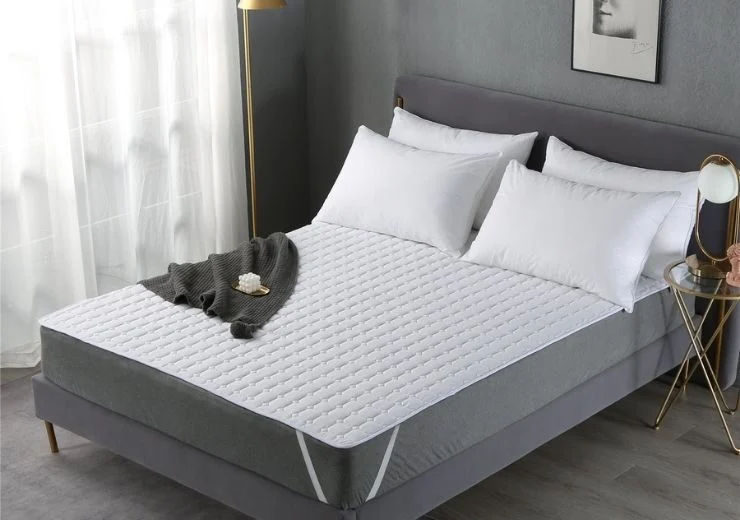
Hollow Fiber Mattress Protectors
Quilted mattress protectors with hollow fiber filling designed for hospitality bedding comfort and mattress protection.

Fitted Mattress Protectors
Fitted style mattress protectors designed for secure mattress coverage and practical hospitality bedding use.
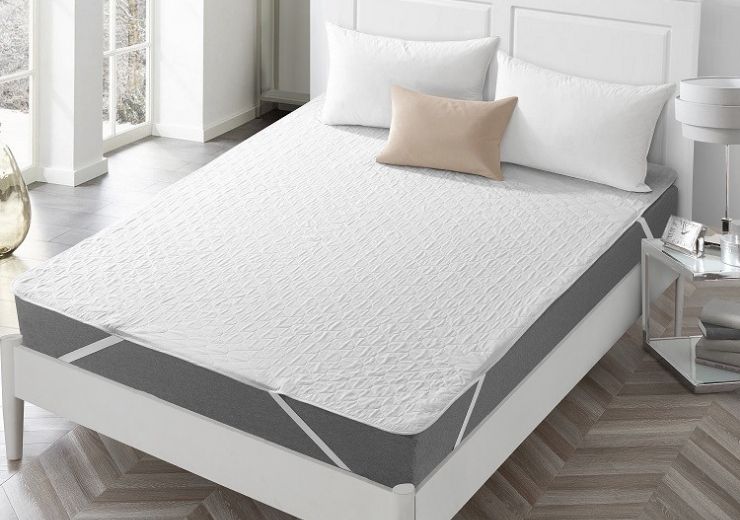
Waterproof Mattress Protectors
Waterproof mattress protectors designed to improve hygiene and protect hotel mattresses from spills and moisture.

Fitted Waterproof Mattress Protectors
Fitted waterproof mattress protectors designed for hospitality bedding protection with secure mattress fitting.
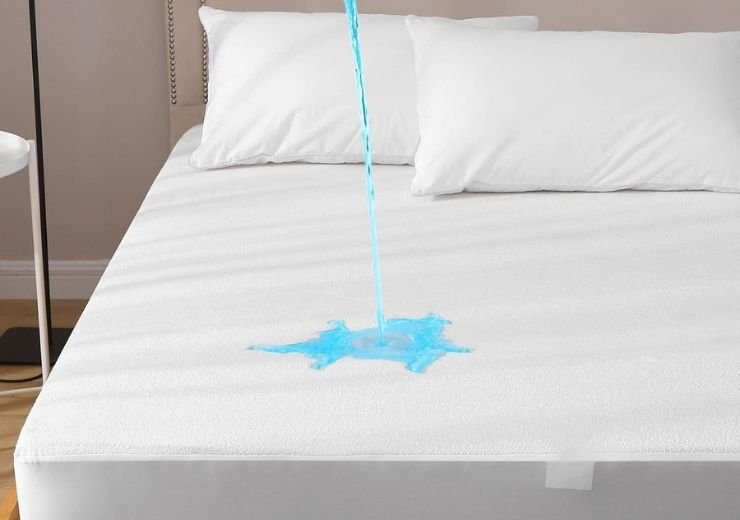
Terry Waterproof Mattress Protectors
Terry fabric waterproof mattress protectors designed for soft touch, moisture protection and hospitality bedding use.

Knitted Waterproof Mattress Protectors
Knitted waterproof mattress protectors designed for breathable hospitality bedding protection and anti-mite performance.


Care Instructions For Hotel Mattress Protector
- hotel duvet, pillows,mattress protector,mattress topperdo not have to be washed before use but only when.
- hotel synthetic duvet, pillow, mattress protector, mattress topper:machine wash by a gentle cycle under 40℃, normal spin setting will be fine.For drying, tumble dry it on a low heat and make sure it’s completely dry and fully aired out before
- hotel down or feather duvet, pillow, mattress topper:machine wash by a gentle cycle under 40 ℃,normal spin setting will be fine. For drying,tumble drying below 60 ℃ for 30 mins,and then cold airing for 5 to 10 mins to make sure take out peculiar smell after drying.
Warranty Period:
One Year/If it is not caused by artificial damage, washing damage or natural aging of the product, we will replace it without charge.
Sample:
Sample production time: 7 days.
Cost: free for samples, we can supply you samples by free to do lab test or wash test before officila order to make sure quality. For delivery cost of samples, you can provide me your express account.
Production Lead Time:
Normally we need 30 days in production for full set of bed linens ,bath linens for one hotel project, including bed sheet, duvet cover, pillow case, pillow protector, mattress protector, mattress topper, bed runner, cushion, bed skirting, towels, bathrobe, slippers.If something urgently, pls contact us first to discuss.
Hotel Mattress Protector Collection
Commercial mattress protectors designed for hotels, resorts, serviced apartments and hospitality bedding projects.
Available in quilted, fitted and waterproof protection styles for different hospitality hygiene and bedding requirements.
1. What Is A Mattress Protector?
A mattress protector is a removable protective layer placed over the mattress to help protect it from stains, moisture, dust, sweat, spills, and daily wear. In hotels, mattress protectors are considered essential because they help extend mattress lifespan, improve hygiene standards, and reduce long-term replacement costs.
Unlike home use, hotel mattresses are used continuously by different guests and cleaned far more frequently. Without proper protection, moisture and stains can gradually damage the internal foam and shorten the usable life of the mattress.
Professional hotel mattress protectors are usually designed to be:
- easy to remove
- machine washable
- durable under commercial laundry
- breathable and comfortable
- suitable for repeated industrial washing
Popular Google search terms include:
- hotel mattress protector supplier
- waterproof mattress protector manufacturer
- hospitality mattress protector
- commercial mattress protector
- hotel bedding supplier
mattress encasement factory
2. Is A Mattress Pad The Same As A Mattress Protector?
The two terms are often used interchangeably, but technically they are slightly different.
A mattress protector mainly focuses on:
- mattress hygiene
- stain prevention
- moisture protection
- extending mattress lifespan
A mattress pad is usually designed more for:
- additional comfort
- extra cushioning
- softness improvement
In hospitality projects, many products combine both functions by using quilted filling together with protective fabrics. This allows hotels to improve guest comfort while also protecting the mattress underneath.
3. Why Do Hotels Use Mattress Protectors?
Hotel mattresses are expensive, and replacing them frequently creates major operating costs.
A mattress protector acts as a protective barrier against:
- sweat
- spills
- body oils
- stains
- dust
- moisture
- accidental liquid damage
This helps hotels:
- protect mattress investment
- improve guest hygiene
- reduce replacement costs
- maintain room quality standards
Many quilted hotel mattress protectors also include hollow fiber filling, which slightly improves sleeping comfort and creates a softer sleeping surface.
For hotels, mattress protectors are a small operational cost that helps protect a much larger mattress investment.
4. What Types Of Mattress Protectors Do Hotels Use?
Hotels use different mattress protector constructions depending on property type, climate, budget, and housekeeping requirements.
Standard Quilted Mattress Protector
This is one of the most commonly used options in hotels and resorts. It is usually made with:
- poly cotton fabric
- microfiber fabric
- quilted hollow fiber filling
It provides basic mattress protection together with additional comfort.
Fitted Mattress Protector
Fitted mattress protectors wrap around the mattress like a fitted sheet, helping them stay securely in place during guest use.
Waterproof Mattress Protector
Waterproof protectors use laminated or coated backing materials that help prevent liquid penetration into the mattress.
These are commonly used in:
- hotels
- serviced apartments
- family hotels
- healthcare hospitality
- long-stay accommodation
Waterproof Fitted Mattress Protector
This combines fitted-sheet style construction with waterproof protection for improved mattress coverage and operational convenience.
Mattress Encasement
A mattress encasement fully surrounds the mattress using a zipper closure. It provides maximum protection against:
- dust mites
- allergens
- stains
- moisture
- bed bugs
Encasements are especially common in allergy-sensitive and long-term hospitality environments.
5. How Does A Hotel Decide Which Mattress Protector To Use?
Professional hotel buyers usually evaluate mattress protectors based on practical operational needs rather than price alone.
Climate And Environment
Hotels located in warm and humid climates often prefer:
- waterproof protectors
- anti-mite encasements
- breathable fabrics
because humidity can increase mold and dust mite risk.
Budget
Budget hotels may choose standard quilted protectors, while luxury hotels often prefer:
- fitted styles
- thicker quilted protectors
- premium cotton fabrics
- higher comfort constructions
Laundry Requirements
Hotels wash bedding far more frequently than home users. Buyers therefore focus heavily on:
- washing durability
- shrinkage control
- drying efficiency
- fabric stability
- long-term performance
Guest Experience
Luxury hotels often select softer and thicker protectors to improve sleeping comfort and overall bed presentation.
6. What Fabrics Are Commonly Used For Mattress Protectors?
Several fabric constructions are commonly used in commercial hotel mattress protectors.
Microfiber Fabric
Microfiber is cost-effective, lightweight, and shrink-resistant. Common options include:
- 70gsm microfiber
- 105gsm microfiber
It is widely used in budget and mid-scale hospitality projects.
Poly Cotton Fabric
TC180 poly cotton ticking fabric is one of the most common hospitality constructions because it balances:
- durability
- comfort
- cost efficiency
- commercial washing performance
100% Cotton Fabric
Luxury hotel mattress protectors may use:
- 200TC cotton cambric
- 233TC cotton cambric
Cotton fabrics generally provide:
- better breathability
- softer hand feel
- improved moisture absorption
more premium guest experience
7. What Filling Is Used Inside Mattress Protectors?
Most hotel mattress protectors use hollow fiber filling.
Hollow fiber is commonly chosen because it is:
- lightweight
- washable
- cost-effective
- suitable for commercial laundry
- comfortable enough for hospitality use
Hotels generally avoid overly thick fillings because they increase:
- laundry weight
- drying time
- operational cost
Professional hotel bedding is always designed with both comfort and laundry efficiency in mind.
8. Is Filling GSM Important For Mattress Protectors?
Yes. Filling GSM directly affects:
- thickness
- softness
- comfort
- appearance
- product weight
- pricing
Higher GSM filling generally provides:
- fuller appearance
- more cushioning
- softer sleeping feel
However, thicker fillings also create:
- higher freight cost
- longer drying time
- heavier laundry handling
This is why hospitality buyers carefully balance comfort and operational efficiency.
9. Are Mattress Protectors Hypoallergenic?
Yes. Certain mattress protectors are specifically designed to help reduce exposure to:
- dust mites
- allergens
- bacteria
- skin irritants
Tightly woven fabrics and protective barriers help create a cleaner sleeping environment.
Many hotels today also request:
- OEKO-TEX certified fabrics
- anti-mite treatments
- hypoallergenic bedding materials
This is especially important for:
- luxury hotels
- wellness resorts
- healthcare hospitality
allergy-sensitive guest environments
10. Can Mattress Protectors Be Waterproof?
Yes. Waterproof mattress protectors are very common in hospitality projects.
They help prevent liquids such as:
- water
- wine
- juice
- sweat
- body fluids
from penetrating into the mattress.
Waterproof protection is especially important because mattress contamination is much more expensive to resolve than replacing a protector.
11. What Types Of Waterproof Mattress Protectors Are Available?
Several waterproof constructions are commonly used in commercial hospitality bedding.
Bamboo Terry Waterproof Protector
Soft bamboo terry surface combined with waterproof backing.
Cotton Terry Waterproof Protector
Towel-like cotton terry fabric laminated with waterproof protection underneath.
Knitted Waterproof Protector
Soft knitted fabric treated with waterproof and anti-mite backing layers.
Different constructions offer different balances between:
- breathability
- softness
- waterproof performance
- durability
- cost
12. Are Bamboo Mattress Protectors Good?
Yes. Bamboo terry mattress protectors are increasingly popular because they are:
- soft
- breathable
- moisture-wicking
- skin-friendly
- comfortable in humid climates
They are especially suitable for:
- premium hotels
- wellness resorts
- humid regions
- allergy-sensitive guests
Bamboo fabrics also help improve temperature regulation and sleeping comfort.
13. Why Do Waterproof Mattress Protectors Stop Working?
Most waterproof mattress protectors rely on laminated or coated waterproof layers.
Over time, repeated industrial washing — especially with:
- high temperatures
- strong chemicals
- aggressive drying
may gradually reduce waterproof performance.
This is why professional hospitality laundry management is extremely important for maintaining product lifespan.
14. Do Hotels Use Anti-Mite Mattress Encasements?
Yes. Many hotels use anti-mite mattress encasements, especially in:
- humid environments
- long-stay accommodations
- allergy-sensitive projects
- healthcare hospitality
These encasements help reduce exposure to:
- dust mites
- allergens
- bacteria
while also improving mattress hygiene management.
15. Can Mattress Protectors Help Against Bed Bugs?
Certain mattress encasements are specifically designed to help reduce bed bug penetration.
Full zippered encasements provide much stronger protection than standard fitted protectors because they completely surround the mattress.
Many hotels use mattress encasements as part of broader pest-control and hygiene-management systems.
16. What Is The Difference Between A Mattress Protector And A Mattress Encasement?
A mattress protector usually covers the top and sides of the mattress using:
- elastic corners
- fitted-sheet construction
A mattress encasement fully surrounds the entire mattress with a zipper closure.
Encasements generally provide:
- stronger protection
- anti-mite barriers
- better hygiene management
- improved allergen protection
but they usually cost more than standard protectors.
17. Do Hotels Need Both Mattress Protectors And Mattress Encasements?
Some hotels use both.
For example:
- mattress encasement for full mattress protection
- quilted mattress protector for comfort and easier replacement
This layered bedding system is common in:
- luxury hotels
- healthcare hospitality
- allergy-sensitive projects
because it combines comfort with long-term mattress protection.
18. How Often Should Hotels Replace Mattress Protectors?
Hotels generally replace mattress protectors every 1–2 years depending on:
- occupancy level
- washing frequency
- fabric condition
- waterproof performance
- staining
- damage
Protectors showing tearing, heavy staining, or filling breakdown should be replaced earlier.
19. Do Mattress Protectors Affect Sleeping Comfort?
Yes. Mattress protector construction directly affects sleeping comfort.
Factors such as:
- filling thickness
- fabric softness
- breathability
- quilting construction
all influence guest sleeping experience.
Luxury hotels often choose balanced constructions that improve comfort without creating excessive heat retention.
20. Is A Fitted Mattress Protector Better?
For most hotels, fitted mattress protectors are preferred because they:
- stay securely in place
- fully cover mattress corners
- improve bed appearance
- simplify housekeeping
They also reduce shifting during guest sleep compared with flat protectors.
21. How Do Hotels Calculate Mattress Protector Size?
Hotel mattress protector sizing is based on:
- mattress width
- mattress length
- mattress height
For fitted protectors, skirt depth is normally made slightly larger than mattress thickness to ensure proper fit after washing.
Professional hotel bedding suppliers normally confirm exact mattress dimensions before production to avoid fitting problems.
22. Can A Full Size Mattress Protector Fit A Queen Mattress?
No. Mattress protectors should match mattress dimensions accurately.
Using incorrect sizes may cause:
- poor fitting
- shifting during use
- housekeeping difficulties
- reduced protection performance
Hospitality bedding sizing accuracy is extremely important for operational efficiency.
23. Are All Queen Mattresses The Same Size?
Not always.
Different countries and manufacturers may use slightly different queen mattress dimensions.
For example:
- 150×190cm
- 152×203cm
may both be referred to as queen size.
Professional hotel buyers normally confirm actual mattress measurements rather than relying only on naming terminology.
24. Should Mattress Protectors Be Washed Before Use?
Most mattress protectors do not require pre-washing before first use unless requested by hotel laundry procedures.
However, some hotels prefer pre-washing to:
- remove loose fibers
- soften fabrics
- stabilize shrinkage
before putting products into operation.
25. Do Hotels Wash Mattress Protectors In-House?
Some hotels have internal laundry facilities, while others outsource washing to commercial laundries.
Commercial laundries are often preferred because they improve:
- operational efficiency
- hygiene consistency
- drying performance
- labor management
Large hospitality groups commonly outsource bulk linen washing for efficiency reasons.
26. How Should Mattress Protectors Be Washed?
Commercial mattress protector washing usually includes:
- gentle wash cycles below 40°C
- mild detergent
- low heat drying
- complete drying before storage
Excessive heat may damage:
- waterproof membranes
- fabric coatings
- elastic structures
Professional laundry procedures greatly affect product lifespan.
27. How Often Should Hotels Wash Mattress Protectors?
Hotels wash mattress protectors whenever necessary based on:
- guest turnover
- spills
- stains
- hygiene standards
Regular washing is important because moisture and perspiration can quickly create:
- mold
- odor
- bacterial growth
if ignored.
28. What Detergent Should Be Used For Mattress Protectors?
Mild detergent is generally recommended.
Hotels should avoid:
- strong bleach
- harsh chemicals
- excessive detergent buildup
Extra rinse cycles are often used to reduce detergent residue and maintain fabric performance.
29. Can Mattress Protectors Be Put In A Dryer?
Yes, but low or cool drying settings are recommended.
Excessive heat may:
- shrink fabrics
- damage waterproof layers
- shorten product lifespan
Hotels usually use controlled industrial drying systems for more consistent laundry performance.
30. What Causes Yellow Stains On Mattress Protectors?
Yellow stains are commonly caused by:
- sweat
- body oils
- saliva
- spills
- moisture penetration
Over time, repeated exposure may discolor the fabric surface, especially on white hospitality bedding.
31. Can Yellow Stains Be Removed From Mattress Protectors?
In many cases, yes.
Hotels often use:
- baking soda treatments
- mild stain removers
- warm water soaking
- gentle detergents
However, severe or old stains may become permanent after long-term use.
32. What Is The Lifespan Of A Mattress Protector?
Most hotel mattress protectors last approximately 1–2 years depending on:
- occupancy
- washing frequency
- waterproof durability
- fabric quality
- maintenance methods
Correct commercial laundry procedures can significantly extend product lifespan.
33. How Are Mattress Protectors Packed For Shipping?
Professional hotel bedding manufacturers usually pack mattress protectors by:
- folding
- poly bag packing
- vacuum compression
- export carton loading
Vacuum packing helps reduce shipping volume and lower international freight costs, especially for bulk hospitality orders and container shipments.