

Microfiber & Feather Mattress Topper Available
Different Type Of Hotel Mattress Topper
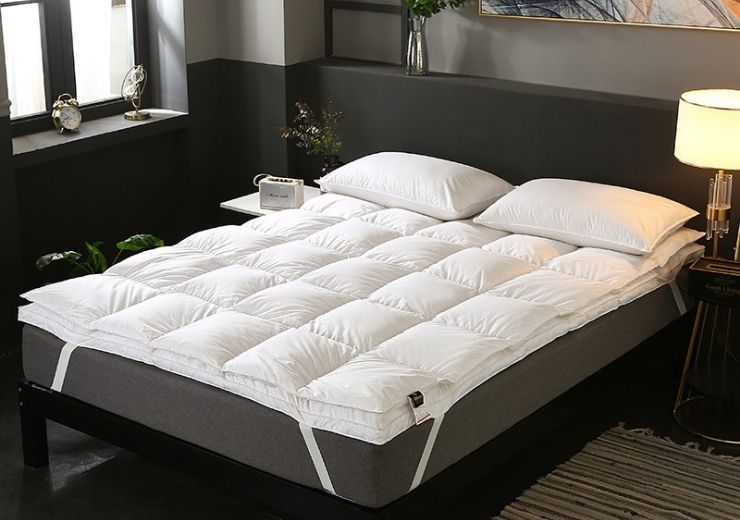
Double-Layer Feather Mattress Toppers
Double-layer feather mattress toppers designed for luxury hospitality bedding with enhanced softness and sleeping comfort.
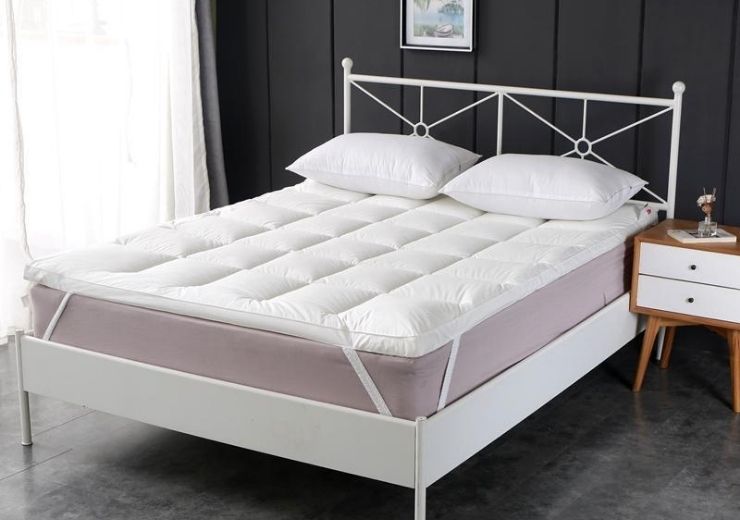
Feather Mattress Toppers
Feather-filled mattress toppers designed for comfortable hospitality bedding and premium hotel sleeping experience.
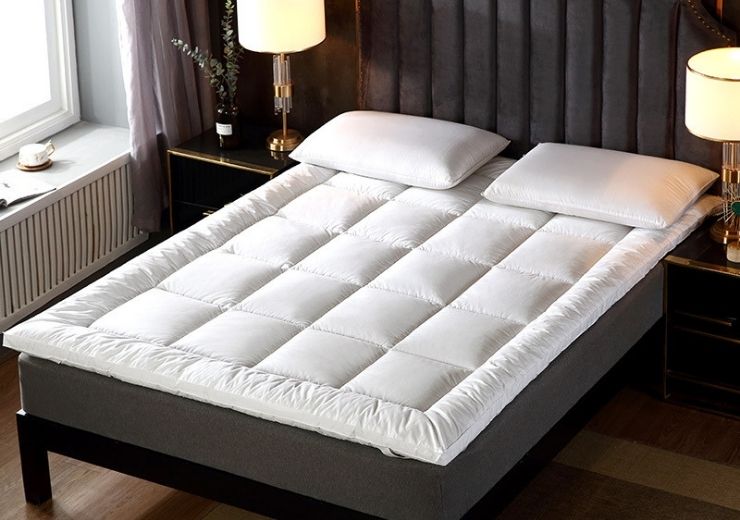
Microfiber Mattress Toppers
Microfiber mattress toppers designed for soft touch, durability and commercial hospitality bedding applications.


Care Instructions For Hotel Mattress Topper
- hotel duvet, pillows,mattress protector,mattress topperdo not have to be washed before use but only when.
- hotel synthetic duvet, pillow, mattress protector, mattress topper:machine wash by a gentle cycle under 40℃, normal spin setting will be fine.For drying, tumble dry it on a low heat and make sure it’s completely dry and fully aired out before
- hotel down or feather duvet, pillow, mattress topper:machine wash by a gentle cycle under 40 ℃,normal spin setting will be fine. For drying,tumble drying below 60 ℃ for 30 mins,and then cold airing for 5 to 10 mins to make sure take out peculiar smell after drying.
Warranty Period:
One Year/If it is not caused by artificial damage, washing damage or natural aging of the product, we will replace it without charge.
Sample:
Sample production time: 7 days.
Cost: free for samples, we can supply you samples by free to do lab test or wash test before officila order to make sure quality. For delivery cost of samples, you can provide me your express account.
Production Lead Time:
Normally we need 30 days in production for full set of bed linens ,bath linens for one hotel project, including bed sheet, duvet cover, pillow case, pillow protector, mattress protector, mattress topper, bed runner, cushion, bed skirting, towels, bathrobe, slippers.If something urgently, pls contact us first to discuss.
Hotel Mattress Topper Collection
Commercial mattress toppers designed for hotels, resorts, serviced apartments and hospitality bedding projects.
Available in feather and microfiber filling options for enhanced comfort, softness and hospitality sleeping experience.
1.What Is a Mattress Topper?
A mattress topper is an additional comfort layer placed on top of the mattress to improve softness, sleeping comfort, and overall guest experience. In hotels, mattress toppers are commonly used to create a more luxurious bed feel without replacing the mattress itself.
Most hotel mattress toppers are filled with microfiber, hollow fiber, feather, or down, and covered with breathable fabrics such as microfiber or 100% cotton cambric fabric.
Unlike a mattress protector, a mattress topper is designed mainly for comfort and support rather than waterproof protection.
Mattress toppers are usually 2 to 4 inches thick and help regulate sleeping temperature — warmer in winter and more breathable in summer.
2.Why Do You Need Mattress Topper?
Hotels use mattress toppers for several important reasons.
First, a mattress topper significantly improves sleeping comfort and softness, helping guests feel a more plush and premium bed surface.
Second, it helps reduce mattress sagging caused by long-term commercial use, especially in high occupancy hotels and resorts.
Third, the topper adds an extra protective layer between guests and the mattress, helping absorb accidental spills such as water, oil, juice, or wine before they reach the mattress.
For many hotels, adding a mattress topper is a cost-effective way to upgrade guest sleep quality without changing the mattress itself.
3.Is Mattress Topper Same As Mattress Protector?
Not exactly.
A mattress topper and mattress protector serve different purposes in hotel bedding systems.
First, the thickness is different. Mattress protectors are usually filled with light hollow fiber around 120gsm to 150gsm, while mattress toppers are much thicker, normally around 1500gsm to 1800gsm.
Second, the filling materials are different. Mattress protectors are mainly filled with hollow fiber, while mattress toppers often use microfiber, feather, or down fillings for extra comfort.
Third, their functions are different. Mattress protectors mainly protect the mattress from spills, stains, water, and daily contamination. Mattress toppers are mainly designed to increase softness, comfort, and sleeping experience while reducing mattress pressure and sagging.
In hotel projects, mattress protectors and mattress toppers are often used together.
4.Do I Need a Mattress Protector With a Mattress Topper?
Yes. Even when using a mattress topper, hotels still need a mattress protector.
The mattress topper improves sleeping comfort, while the mattress protector provides waterproof and stain protection for the mattress underneath.
Most hotels use the layering system below:
Mattress → Mattress Protector → Mattress Topper → Bed Sheet
This setup helps extend mattress lifespan while maintaining a comfortable guest sleeping experience.
5.What Fabrics And Fillings Do Hotel Use For Their Mattress Topper?
For fabrics, hotels mainly use three types of topper shell fabrics.
- Microfiber fabric around 105gsm, mainly used for budget microfiber toppers.
- 100% cotton 200T plain fabric, commonly used for mid-range hotel mattress toppers.
- 100% cotton 233T down-proof cambric fabric, mainly used for feather and down mattress toppers in luxury hotels.
For fillings, there are also mainly three types.
- Microfiber filling — cost-effective and suitable for budget hotels.
- Hollow fiber filling — heat-set fiber structure helps maintain shape and prevent fiber shifting during washing.
- Feather and down filling — commonly used in 4-star and 5-star hotels. Typical specifications are 5% white duck down with 95% white duck feather.
Luxury hotel mattress toppers may also use goose down for a softer and more premium sleeping experience.
6.What Type Of Mattress Topper Is The Best One?
For luxury hotels, the best mattress topper is usually a double-layer feather and down mattress topper.
A common premium specification includes:
- 100% cotton 233T down-proof cambric fabric
- Upper layer filled with 90% white goose down around 100gsm to 150gsm
- Bottom layer filled with 90% feather around 1400gsm to 1500gsm
This structure combines softness from the goose down upper layer with strong support from the feather lower layer.
It creates the plush “cloud-like” sleeping feeling commonly found in luxury hotels and resorts.
7.What Is The Difference Between Natural And Synthetic Fillers For Mattress Toppers?
Natural fillings mainly refer to feather and down fillings, while synthetic fillings usually refer to microfiber.
There are several important differences.
Comfort:
Down and feather toppers generally provide a more luxurious and breathable sleeping experience. Microfiber toppers feel soft as well, but usually less natural.
Lifespan:
Feather mattress toppers can last around 5 to 7 years with proper hotel maintenance, while microfiber toppers normally last 1 to 2 years under commercial washing conditions.
Shape retention:
Feather toppers are more resistant to sagging and compression over time. Microfiber toppers may flatten faster after repeated hotel use.
Price:
Natural feather and down toppers are significantly more expensive than microfiber toppers.
Hotels usually select based on project positioning, budget, and expected guest experience.
8.Is Microfiber Good For Mattress Topper?
Yes. Microfiber mattress toppers are widely used in hotels because they are cost-effective and comfortable.
They provide good softness and help hotels control purchasing budgets, especially for mid-range hotels, serviced apartments, and large hospitality projects.
Compared with feather toppers, microfiber toppers are easier to manage and more economical. However, their lifespan is usually shorter under repeated industrial washing.
For projects focused on budget control and operational efficiency, microfiber mattress toppers are still a very practical option.
9.What’s The Gram Of Filling For Mattress Topper?
Different mattress topper fillings use different filling weights.
Typical hotel specifications are:
- Microfiber mattress topper: 700gsm to 1000gsm
- Feather mattress topper: 1500gsm to 1800gsm
- Double-layer luxury mattress topper:
- Upper goose down layer: 100gsm to 150gsm
- Lower feather layer: 1400gsm to 1500gsm
Higher filling weight usually means more loft, softness, and sleeping comfort, but also increases product cost and washing weight.
Hotels normally select filling weight according to hotel star level, climate, and guest expectations.
10.Are Thicker Mattress Toppers Better?
Generally yes.
A thicker mattress topper usually provides:
- Better softness
- More cushioning support
- Improved guest comfort
- More luxurious bed appearance
However, thicker toppers are also heavier, more expensive, and may require more maintenance during commercial laundry washing.
Hotels need to balance comfort, operational cost, and durability when selecting topper thickness.
11.What Is The Most Luxurious Mattress Topper?
The most luxurious mattress topper is usually a double-layer goose down mattress topper.
Typical luxury hotel construction includes:
- 100% cotton 233T down-proof cambric fabric
- Upper layer with 90% white goose down
- Bottom support layer with 90% feather filling
This type of topper provides excellent softness, breathability, and premium sleeping comfort commonly used in luxury resorts and 5-star hotels.
Goose down toppers are more expensive, but they create a noticeably more luxurious guest sleeping experience.
12.Is Mattress Toppers Sagging?
Microfiber mattress toppers may gradually flatten or sag after long-term hotel use and repeated industrial washing.
Feather and down mattress toppers generally maintain loft and resilience longer than microfiber toppers.
Proper maintenance, rotation, and fluffing can help extend topper lifespan and reduce sagging.
13.Do You Put a Fitted Sheet Over a Mattress Topper?
Yes.
Hotels normally place a fitted sheet or flat sheet over the mattress topper.
This helps:
- Protect the topper from dirt and stains
- Improve guest hygiene
- Reduce direct washing frequency of the topper
- Make housekeeping easier
This is standard practice in hotel bedding systems.
14.Do Feather Mattress Toppers Smell?
Natural feather and down toppers may have a slight natural smell, especially in humid climates or rainy seasons.
This is normal for natural feather products.
Hotels can reduce the smell by following proper airing and drying procedures.
- Place the topper in a ventilated dry environment for several hours.
- Avoid direct strong sunlight exposure for long periods.
- Tumble dry below 60°C for around 30 minutes.
- Allow cold airing for 5 to 10 minutes after drying.
Proper hotel laundry maintenance usually minimizes odor issues.
15.How Does a Hotel Decide Which Type Of Mattress Toppers To Use?
Hotels normally choose mattress toppers based on several factors:
- Hotel positioning
- Budget
- Guest comfort expectations
- Mattress size
- Laundry capability
- Climate conditions
Luxury hotels often choose feather or goose down toppers for maximum comfort.
Mid-range hotels and serviced apartments usually select microfiber toppers because they are more economical and easier to maintain.
The topper must also match the mattress size correctly to ensure proper bed appearance and guest comfort.
16.Do Hotels Use Microfiber Fabric For Their Mattress Topper?
Yes.
Many hotels use microfiber fabric for mattress topper shells because it helps reduce overall cost while still maintaining a soft hand feel.
Microfiber shell fabric is especially common in budget hotels, rental apartments, and high-volume hospitality projects.
For luxury hotels, cotton down-proof fabrics are more commonly used.
17.Is The Down Or Feather Choice Important In Choosing Your Mattress Topper?
Yes, very important.
The type of filling directly affects:
- Sleeping comfort
- Softness
- Breathability
- Product lifespan
- Overall hotel positioning
Goose down is usually considered more premium than duck down because it is softer, lighter, and more resilient.
Feather fillings provide stronger support, while down fillings provide softer comfort.
Hotels normally select based on target guest experience and project budget.
18.Are There Topper Certifications You Should Look Out For?
Yes. Many hotel buyers pay attention to mattress topper certifications for safety, quality, and sustainability.
Common certifications include:
- GREENGUARD Gold — low chemical emissions and better indoor air quality
- CertiPUR-US — foam products tested for harmful substances
- GOLS — certified organic latex
- GOTS — certified organic textiles
- OEKO-TEX Standard 100 — fabric tested for harmful chemicals
For hospitality projects, OEKO-TEX certification is especially common and important.
19.Why There Are Elastic Band On 4 Corners Of The Mattress Topper?
Elastic bands on the four corners help secure the mattress topper firmly to the mattress.
This prevents shifting or sliding during guest use and housekeeping operations.
It also makes bed making easier and keeps the topper surface smooth and neat.
20.How Do You Determine The Right Size Mattress Topper?
The mattress topper size should match the mattress size exactly.
Hotels normally calculate based on:
Mattress width × mattress length × mattress height
For fitted style toppers, the skirt depth is usually made 3cm to 5cm deeper than mattress height to ensure secure fitting.
Choosing the correct size is important for:
- Guest comfort
- Bed appearance
- Housekeeping efficiency
- Preventing topper movement
21.Can you put a full size mattress topper on a queen bed?
No.
A full size mattress topper is normally around 137x203cm, while a queen mattress is usually around 152x203cm.
Using the wrong size topper may cause poor fitting, shifting, and uncomfortable sleeping conditions.
Hotels should always match topper size exactly with mattress size.
22.Should you wash mattress topper before using?
Normally, hotels do not wash mattress toppers before first use if they are newly manufactured and properly packed.
However, hotels should always inspect products before installation to ensure cleanliness and correct specifications.
23.How Should Hotels Care For Their Mattress Toppers?
Hotels should maintain mattress toppers regularly to extend service life and maintain hygiene.
Common maintenance methods include:
- Vacuum cleaning using hand-held vacuum attachments
- Using baking soda deodorizing treatment
- Regular airing and drying
- Spot cleaning when necessary
- Professional laundry washing for heavy stains
Proper hotel maintenance helps reduce odor, moisture, and bacteria buildup.
24.Can You Put Mattress Toppers In a Dryer?
Yes, but low heat or cool drying settings are recommended.
Excessive heat may damage filling structure and reduce topper lifespan.
Hotels usually use commercial dryers with controlled temperature settings.
Natural airing and sunlight drying are also commonly used when weather permits.
25.What Is The Lifespan Of a Mattress Topper?
The lifespan depends on filling type and hotel maintenance conditions.
Typical hotel lifespan:
- Microfiber mattress topper: around 1 to 2 years
- Feather mattress topper: around 5 to 7 years
Proper laundry care and regular rotation can help extend product lifespan.
26.How Often Should I Wash My Mattress Topper?
Hotels usually wash mattress toppers when necessary, especially after spills, stains, or heavy guest use.
Regular cleaning is important because moisture, perspiration, and spills can quickly lead to mold or odor buildup in hospitality environments.
27.How Do You Fluff a Feather Mattress Topper?
After long-term use, feather mattress toppers may flatten slightly.
Hotels usually fluff the topper by:
- Lightly shaking or patting the topper
- Rotating the topper regularly
- Airing and drying properly
- Using low heat tumble drying when suitable
This helps restore loft and softness.
28.Should I Look For a Manufacturers Oeko-Tex For My Mattress Toppers?
Yes.
OEKO-TEX certification confirms that the fabrics and materials have been tested for harmful substances and are safe for human use.
Many hotels, resorts, and hospitality buyers prefer OEKO-TEX certified mattress toppers because they support safer, more responsible, and internationally accepted textile standards.